Cancer Care Moves Closer in Caraga
2026-09-24
Distance is a clinical risk. At DOPMH in Agusan del Sur, work on Caraga's first Cancer Access Site seeks to bring screening, referral, and oncology coordination nearer to patients, for whom road travel, transport fares, and long journeys can turn a suspected diagnosis into a delayed appointment. The burden is logistical before it is medical.
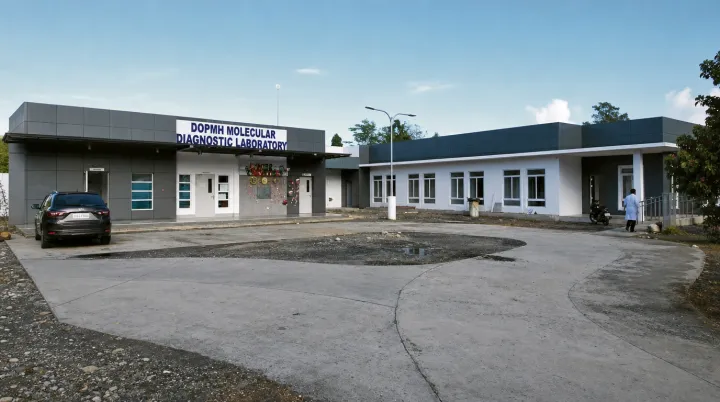
The site matters because cancer care is not one encounter. It is a chain of assessments, specimens, records, and decisions, and a break in any link can postpone treatment even when the clinical need is plain. The site is not merely a building. It is an attempt to compress the interval between a warning sign and a specialist decision, a measure patients feel in missed workdays and mounting uncertainty. Like a network router, an access site can direct each case through the right node; in medical terms, that means connecting histopathology, tumor staging, chemotherapy, radiotherapy, and follow-up so that a paper referral does not become a dead end.
The harder problem is latency. Cancer biology does not pause while patients search for transport or wait for a pathway between facilities, and delay can weaken the value of early detection. Its value will depend on staffing, diagnostic capacity, referral protocols, and the ability to keep cases visible after an initial visit. If DOPMH couples local assessment with dependable transfer routes, the site could function as a clinical control plane, where information, specimens, and patients move with intent. That is the technical promise: care arrives before distance gets to dictate the outcome.
Loading...

