First Foods Rewire the Infant Gut
2026-09-24
125 paired gut microbiome samples from Irish infants expose a stubborn fact: first foods do more than add calories. They alter microbial composition and metabolic potential, with greater capacity for complex carbohydrate metabolism appearing alongside complementary feeding. Small mouths, large biochemical consequences. At the high chair, the gut begins changing its working habits.
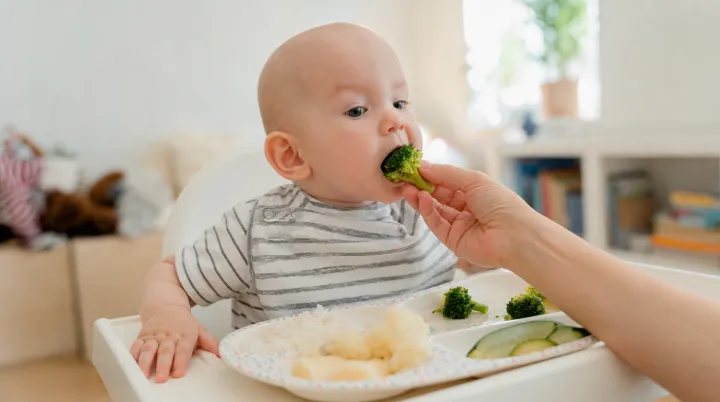
The sharper result concerns sequence, not spectacle. Milk still sets the pace. Breastfeeding duration tracked microbial community development more closely than the point at which solids arrived, resisting the tidy assumption that a calendar milestone directs the gut. Formula-fed infants, by contrast, showed broader changes in functional pathways after complementary feeding, suggesting that prior diet conditions how the microbiota responds to a new substrate. Because samples were paired, each infant supplied a before-and-after comparison rather than a contest between unrelated groups. The difference matters. It puts microbial succession, not menu timing alone, at the center of the transition.
That distinction should curb easy advice before it hardens into a feeding rule. The findings do not rank one feeding route above another. The study reports association, not a prescription for changing infant diets, and its signal is functional as well as taxonomic: microbes gain pathways able to process compounds scarce in a milk-only routine. We treat first foods as visible milestones, yet the more durable influence may be the milk that came before them. Metagenomic signals can map carbohydrate-processing capacity, but they cannot settle a parent's desire for a simple timetable. Beneath the spoon's small scrape, an ecosystem revises its terms.
Loading...

