Measles Has Found the Gaps
2026-09-24
Measles does not negotiate. The rash is not the first warning; it is the visible bill for missed vaccination, delayed outreach, and public confidence allowed to fray. Across the Western Pacific, years of political commitment and routine immunization pushed the virus toward the margins. That achievement now looks less like a final victory than a dam whose smallest cracks invite a flood.
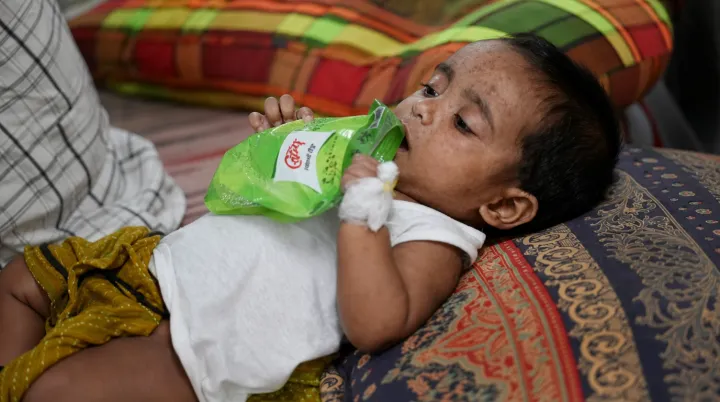
Complacency is the real pathogen. Measles spreads through respiratory aerosols with ruthless efficiency, exploiting immunity gaps left by interrupted services, misinformation, and communities excluded from care. Its basic reproduction number is high; so is the cost of treating each case as an isolated mishap rather than evidence of a failing system. Population immunity is not a slogan. It is the epidemiological barrier that denies the virus sufficient susceptible hosts to keep moving. When surveillance weakens, the first cluster can travel farther than officials expect.
The remedy is ordinary, which is why failure feels inexcusable. Sustained coverage with two-dose measles-containing vaccine, rapid case detection, contact tracing, and genomic surveillance can break chains of transmission before hospitals fill. But the work cannot be episodic. Immunization programs need stable financing, trusted local messengers, and cold-chain capacity that reaches families before fear does. Campaigns can extinguish a flare, yet dependable primary care prevents the next spark from finding dry ground. A vanished disease was never gone; it was merely held outside the door.
Loading...

