Why Younger Adults Face More Colorectal Cancer
2026-09-25
15,381 cases are not a statistical footnote; they signal a cancer burden arriving earlier in life across 22 countries in the WHO Eastern Mediterranean Region, where 6,965 people also died. The toll is heavy. Compared with many regions, modeled mortality appears high, suggesting that diagnosis and treatment may not reach patients early enough, although the analysis cannot assign a cause. Numbers do not explain themselves.
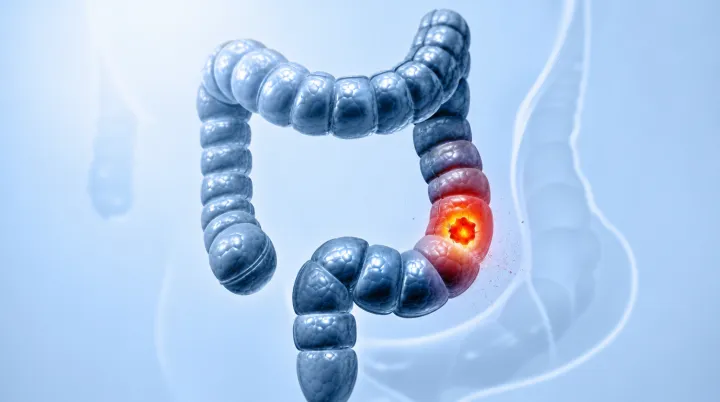
The first mistake would be to treat this as a single regional story, because modeled estimates show substantial differences between countries. Causes remain unresolved. These figures measure incidence and mortality; they cannot, by themselves, identify the biology of colorectal carcinogenesis or the exposure patterns driving younger patients toward diagnosis. The gap matters. Without country-level evidence on symptoms, diagnostic delay, family history, and access to care, a confident answer to why remains premature. That restraint is honest.
Demographic change is the strongest force in the projection, which anticipates marked growth in annual cases and deaths as population structures shift. That is not destiny. Nor does it prove that an individual's risk will rise at the same rate; population arithmetic can enlarge a burden without settling its causes. Policy should react now. Screening and early detection need to match local resources, incidence, mortality, and diagnostic capacity, rather than borrow a costly template from elsewhere. The waiting room changes first.
Loading...

