Apple Tests Premium Pricing Abroad
2026-09-26
$2,230 makes the iPhone Duo's wager plain: price is the product signal. The device sits between lower-priced and higher-priced folding-phone alternatives in an overseas market. That is not a compromise. It is price architecture, meant to defend prestige while leaving room beneath the category's ceiling. Apple is selling rank before it sells features.
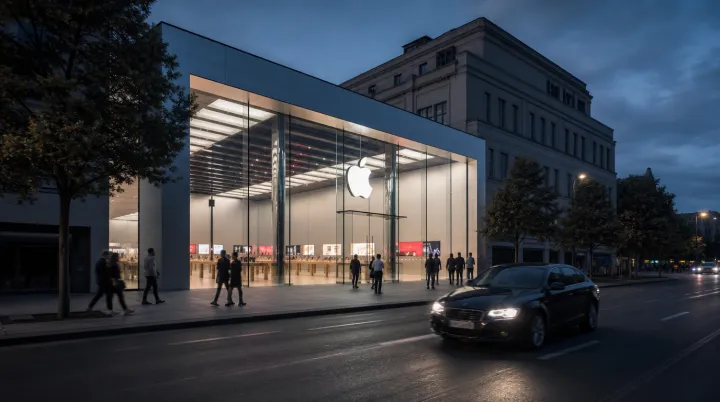
This is a margin play. Apple is testing willingness to pay, not merely adding hardware to a crowded shelf. Price elasticity of demand matters here: buyers at the top end may resist, yet those who stay can validate a premium bracket. Market segmentation matters too. A price below the costliest rival can create consumer surplus for status-minded buyers, while a price far above mainstream devices filters out bargain hunters. The strategy seeks to leverage brand loyalty without inviting a direct zero-sum fight for unit volume.
The reception could still sting. A closed-loop product system only works when hardware, services, and identity reinforce one another strongly enough to form a moat. A high sticker price raises the burden of proof, especially when folding phones are already treated as a luxury niche. Investors should track sell-through, trade-in activity, and margin retention. The cost of cutting price later would be greater than the reward of a brief volume spike.
Loading...

