England Hospitals Face Drug Gaps
2026-09-29
Paracetamol boxes, usually anonymous on a ward shelf, have become signals of a supply system under strain in England. The gap is mundane. Yet NHS trusts have reported shortages of the pain medicine, exposing how quickly a basic treatment can turn into a procurement problem.
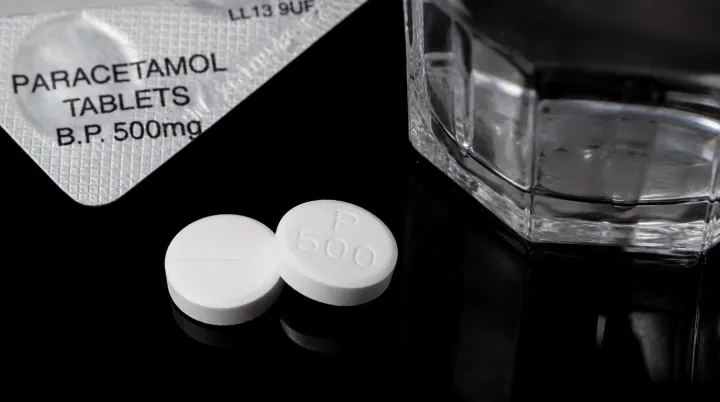
This is not a minor purchasing irritation. Pain does not wait. When paracetamol is unavailable, pharmacy teams must seek therapeutic substitution, check formularies, and guard against dosing errors while wards keep moving. Reports also describe disruption to co-codamol, a combination analgesic, and ramipril, an ACE inhibitor used for blood pressure control. The clinical risk is cumulative. A substitute can bring different contraindications, doses, and monitoring requirements.
The deeper failure is institutional. A hospital can stock alternatives, but substitutions alter prescribing, dispensing, monitoring, and patient counselling, while procurement staff chase allocations across a limited supplier base. That is not resilience. Trusts need clearer shortage reporting, shared purchasing intelligence, and contingency stocks for medicines whose absence can disrupt ordinary care. In a ward cupboard, an empty space can become a diagnosis of its own.
Loading...

