Caribbean Food Is More Than Memory
2026-09-29
Food sovereignty matters. Across Caribbean tables, ground provisions, beans, fruit, leafy vegetables, and seafood can assemble a dietary pattern whose fiber, potassium, and unsaturated fats align with healthier cardiometabolic profiles, even as such meals are too often dismissed as mere tradition. The evidence is suggestive. Observational studies link traditional and neo-traditional patterns to lower risk markers, though association alone cannot prove causation.
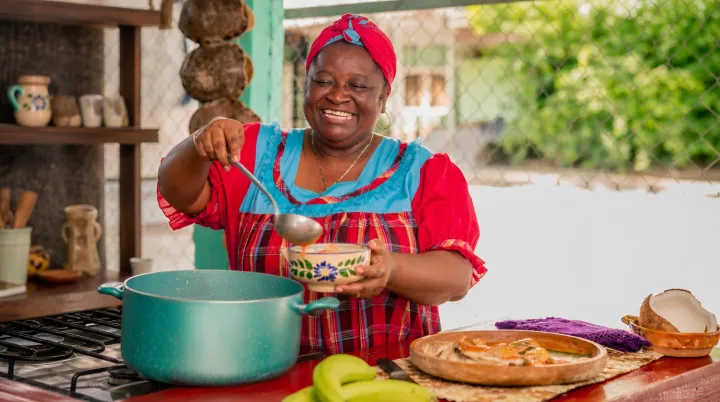
This is no nostalgia. When starchy roots and legumes replace highly processed imports, glycemic load may fall while dietary fiber supports satiety, gut microbial metabolism, and glycemic control; seafood can provide protein and fatty acids without making meat the meal's center. Imports alter the equation. Dependence on packaged foods, altered work rhythms, retail systems, and fragile shipping channels can displace local cultivation and home cooking, raising exposure to sodium, refined carbohydrates, and energy-dense products associated with dyslipidemia and insulin resistance. That trade has consequences.
Local supply is health policy. Protecting fisheries, farm markets, seed access, cold storage, and affordable preparation is not culinary sentiment; it is a defense against supply shocks that narrow household choices and turn nutrient-dense staples into premium goods. Policy must stop treating food as a souvenir. Public procurement, school meals, and support for small producers can make local crops commercially durable rather than ceremonially admired. Culture carries mechanism. The remaining question hangs over the market basket: will institutions protect the ordinary meal before it becomes an imported luxury?
Loading...

