Nova Lake Rewrites the Wattage Guess
2026-10-03
Wattage is the surprise. A leak tied to Intel's Nova Lake desktop plans suggests that chips with substantially higher core counts may keep a base power rating near leaner predecessors, challenging the lazy equation between more cores and a larger number on the box. The rating is not the bill. It describes a defined operating point, not every electrical demand a processor can make.
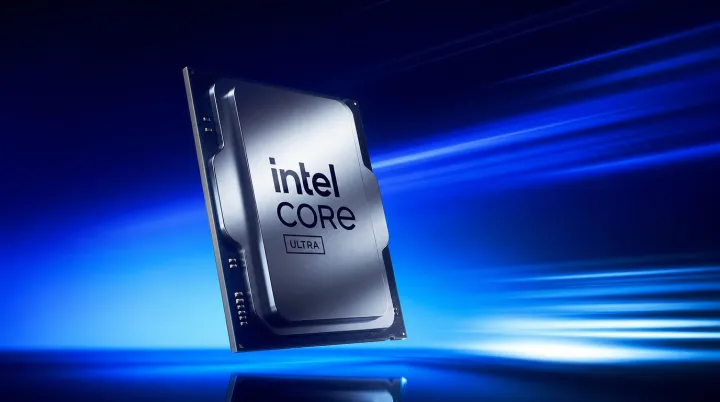
That is no magic. At base frequency, voltage-frequency scaling can hold voltage down, while power gating cuts current to inactive logic and lets a crowded die behave like a city grid at dawn, with most streets dark. Physics still collects. Dynamic power rises with capacitance, voltage squared, and frequency; leakage current adds its own quiet tax as transistors warm. Ratings can hide the gap between quiet operation and all-core acceleration.
The ceiling remains the story. When a demanding workload wakes many cores and boost algorithms chase higher clocks, the voltage-frequency curve can steepen quickly, turning a modest base rating into a far hotter package. Core count is capacity. Clock speed and voltage are appetite, which is why cooling, motherboard power delivery, and sustained load tests will matter more than a leaked base figure. If Nova Lake follows this outline in shipping silicon, the desktop chip becomes a fleet of parked engines that can all race at once; the singular question is how long the thermal budget permits the sprint.
Loading...

