Why Ebola Spread From Mangala
2026-10-05
The road into the village was not merely a route; it was a warning, because isolation turned a controllable viral hemorrhagic fever into a widening human emergency. Help arrived thinly. Where transport, information, and clinical care falter together, Ebola gains time, and time is its most reliable accomplice. It also narrows the margin for response.
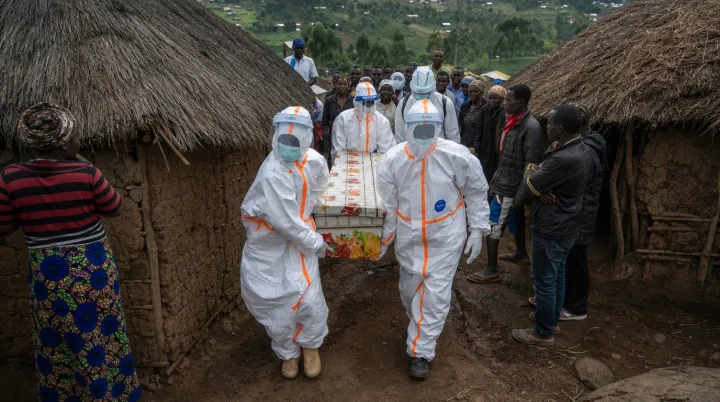
The failure was plain. Residents had little outside support, and suspected infections could remain inside homes, around caregiving routines, and among relatives before alert systems registered danger. Contact tracing, the unglamorous machinery of outbreak control, depends on staff, fuel, trust, and speed. None comes free. Each missed exposure extended the transmission chain; each delayed isolation let fear compete with evidence. By the time response teams reached nearby communities, the epidemic had converted distance into advantage. A weak referral system then made every fever harder to interpret and every warning slower to act upon.
This was systemic. Ebola control rests on infection prevention and control, safe burials, laboratory confirmation, and care that does not punish families for seeking it. In the village, absence became an instrument of spread. That is the cruel arithmetic of neglect: small absences compound long before an emergency acquires a public name. A settlement left beyond the reach of institutions can turn a pathogen's short journey into a country's long reckoning. The road remains, asking who was expected to travel it first.
Loading...

