Seawater Plant Targets Three Outputs
2026-10-05
Seawater is being recast as feedstock, not waste, in a reported coastal plant designed to draw hydrogen, freshwater, and uranium from one intake stream. That ambition sounds excessive. Yet the proposed system targets a familiar flaw: energy lost when desalination and electrolysis are built as separate, thirsty machines.
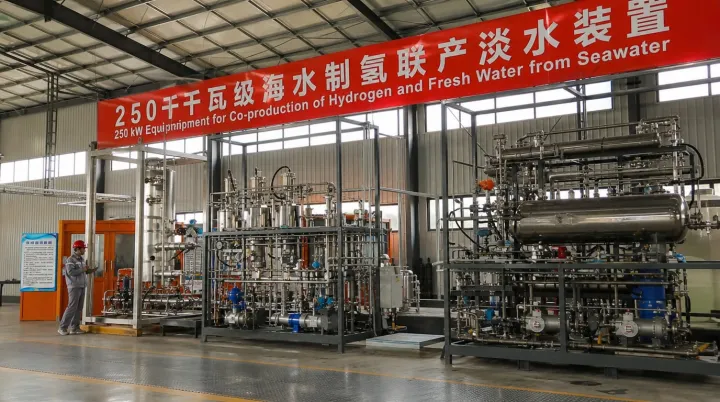
The smarter bet is integration. Reverse osmosis rejects salt under pressure, while electrolysis splits water with electricity; connecting their flows and pressure gradients can recover work that conventional layouts discard. Think of it as a data center that captures server heat rather than venting it, except the real mechanism is pressure-energy recovery coupled to ion-selective separation. Uranium recovery adds the wager. Adsorbent materials can bind dissolved uranyl ions, but their selectivity, regeneration cycle, and chemical durability will decide whether a laboratory promise becomes a saleable stream.
Profit, not novelty, is the contest. Hydrogen margins remain exposed to power costs, and freshwater output only helps if membranes resist fouling and recovered uranium offsets sorbent replacement, pumping, and waste handling. The system must prove all three products can coexist without weakening one another. Investors should demand independently measured energy balances, product purity, corrosion rates, and lifecycle costs before treating a seawater intake as a mint. If those figures hold, coastal utilities could become molecular refineries, with one pipeline feeding fuels, water, and strategic materials. The ocean is not a free battery; it is a corrosive balance sheet.
Loading...

