Florida Dengue Surge Sets Alarm
2026-10-05
Rainwater is the warning. In gutters, flowerpots, and shaded yards, conditions that let Aedes mosquitoes multiply have helped make Florida's dengue outbreak the largest in the continental United States in decades, state officials say. The margin is thin. A familiar tropical disease has entered the daily arithmetic of neighborhoods. It is shared. Its spread exposes the weakness of treating mosquito breeding as a private irritation rather than a public risk.
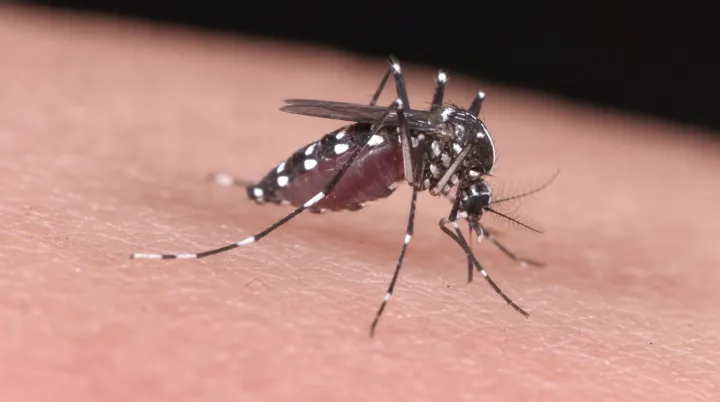
The danger is local. Dengue virus circulates through a mosquito-human-mosquito transmission cycle: an infected mosquito delivers the pathogen during a bite, and a mosquito that feeds during human viremia can acquire it and pass it onward. Vectors set the pace. That vector competence turns case counts into more than clinic records, because each infection may feed local transmission where Aedes aegypti persists. The consequence is cumulative. Once local circulation takes hold, surveillance must find infections quickly enough to break the chain before it widens.
Complacency will cost. Mosquito control, diagnostic testing, and rapid reporting interrupt transmission before travel-associated infections become locally acquired clusters; residents can remove standing water, use repellents, and seek care for fever, severe headache, body aches, rash, or signs of severe dengue. Prevention is mundane. Yet the work demands discipline from households and health agencies, not panic. That is the bargain. At dusk, the smallest wingbeat asks whether ordinary habits can outrun a virus.
Loading...

