Infrared Consent Under Review
2026-10-06
The quietest instruments can raise the loudest objections. Ten NHS trusts have been referred over bedroom monitoring systems that can track breathing and pulse while patients sleep. The devices do not touch skin. Yet that distance sharpens the question. A sensor reading infrared radiation and changes in reflected light may offer continuous observation; it may also turn a room meant for rest into a site of unspoken surveillance.
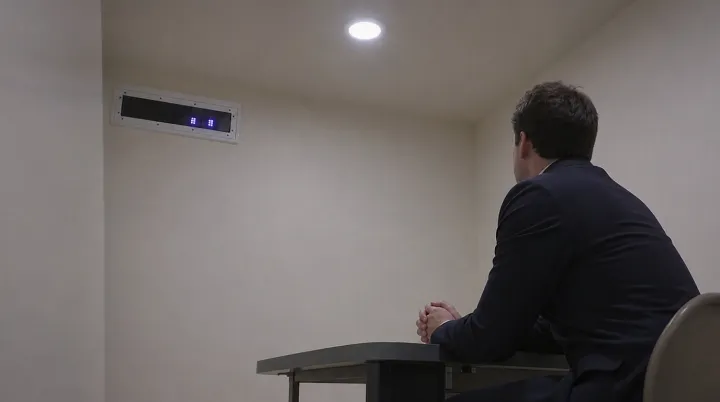
The referral is justified. Comfort is not consent. Remote photoplethysmography can infer pulse from minute fluctuations in light reflected by blood perfusion, while respiratory-rate estimation detects periodic chest motion. Although such measurement can flag deterioration without wires or alarms, clinical promise does not erase the duty to explain what is sensed, how recordings are handled, who can view them, and whether refusal changes care.
Consent is more than paperwork. Hospitals should not confuse reduced intrusion with reduced responsibility. For patients who are asleep, sedated, or distressed, a bedside sensor creates an uneven bargain: data can be gathered when questions are least likely to be asked. The measure is not simply whether the technology works, but whether permission remains informed, voluntary, and revisable. In the dark, a pulse becomes data; whether it remains personal is the harder question.
Loading...

