Why Mid-Sized Centres Can Still Win
2026-10-06
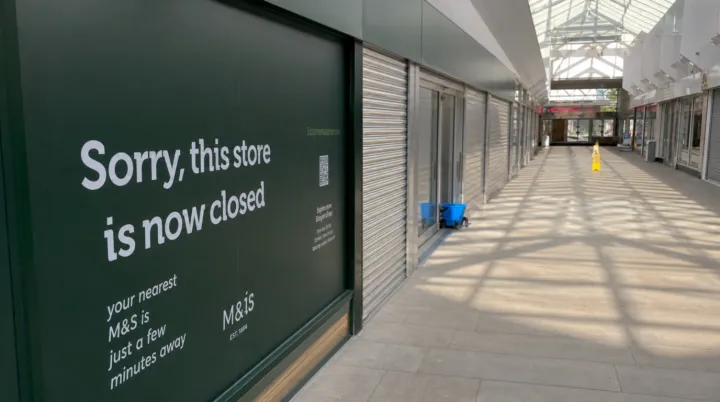
The old bargain is broken. The empty food-court table, lit by a phone screen and surrounded by shuttered units, exposes the problem: convenience migrated online while rent, staffing, and maintenance remained stubbornly physical. Footfall is not enough. Medium-sized centres must stop selling square footage and start selling recurrence, giving nearby residents reasons to return that a delivery box cannot supply.
The winning centres will act like local operating systems. Not miniature malls. They should leverage a deliberate tenancy mix: groceries, health services, repairs, exercise, childcare, and food create repeat visits, while flexible leases let managers test merchants before fixed commitments harden into vacancy. Data matters here. Build a closed-loop system, with consent, linking parking, loyalty, events, and tenant sales so promotions answer observed demand rather than hunches. Retail media can fund the plumbing.
Generic fashion is zero-sum. The better prize is local indispensability, where clinics, repair counters, classrooms, workspaces, and social venues make the centre part of a weekly routine rather than an occasional purchase. Defend the moat. Landlords must cut underperforming space, add services with durable demand, and measure value through repeat visits, tenant sales, dwell time, and renewal quality. Capital should follow proof, not nostalgia. Investors and managers should act now: keep funding generic retail and the centre becomes a cost centre; build a repeat-visit engine and it earns its place.
Loading...

