Before the First Bite
2026-10-06
Peanut butter, smooth and ordinary, may conceal a drama that begins before food reaches the mouth. A missing gut protein could weaken the intestinal barrier, allowing peanut proteins to meet an immune system primed to misread them. The sandwich is not the first event. It may be the final trigger in a process of oral tolerance gone wrong.
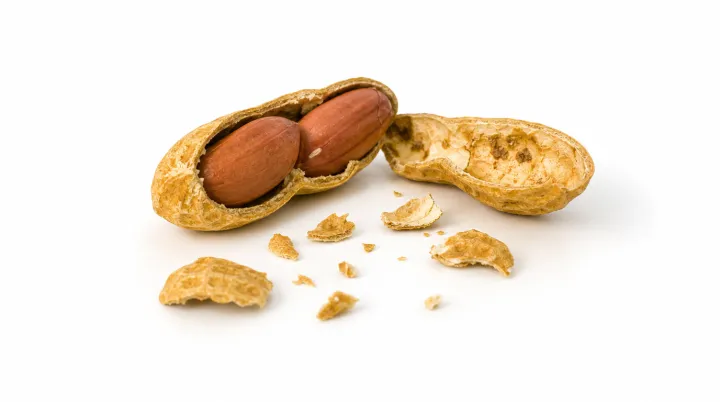
That reversal matters more than it first appears. Rather than treating peanut allergy solely as a reaction to exposure, the hypothesis puts epithelial biology at the center of the story. When barrier proteins fail, antigen presentation can occur in an inflammatory setting; B cells may class-switch to produce IgE, which arms mast cells for a later encounter with peanut proteins. The body mistakes a meal for an intruder. Such a chain would shift attention from the peanut itself to the tissue that decides whether a dietary antigen is harmless.
The useful lesson is uncomfortable. Avoidance alone cannot account for why one child eats peanuts without incident while another develops fear around a food that has done no harm. If the protein finding holds in human studies, prevention research may need to focus on mucosal defenses before sensitization, not merely policing the plate afterward. That does not turn a laboratory signal into a screening test. It does make the gut a credible place to look. The unbitten sandwich becomes an emblem of medicine's harder question: how early does the body decide what to fear?
Loading...

