Clitoral Repair During Cancer Surgery
2026-10-07
The operating field makes an argument no diagram can match: tissue removed for vulvar cancer need not erase the clitoris. That changes the calculus. A reported reconstruction technique restores clitoral tissue during cancer surgery, joining oncologic resection to anatomical repair rather than treating survival and sexual function as separate endpoints. The approach puts an often neglected organ back inside the surgical plan.
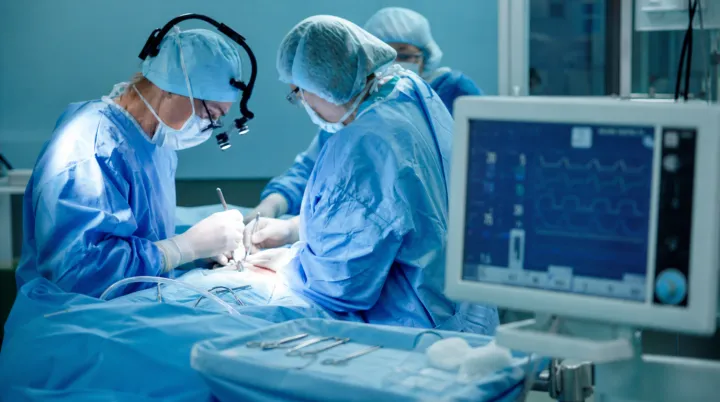
This is more than cosmetic repair. The procedure depends on precise handling of the neurovascular bundle, including branches of the dorsal clitoral nerve and vessels that sustain perfusion, because sensation and tissue survival cannot be reclaimed by surface closure alone. Think of it as reconnecting a damaged data cable only after mapping each live circuit: anatomy, not software, sets the limits. Reconstruction aims to retain form while protecting innervation and blood flow.
The larger claim deserves skepticism, not dismissal. Restoring anatomy at the same operation could reduce a harsh tradeoff for patients whose treatment has too often measured success by tumor control alone, yet outcome reports must separate sensation, arousal, pain, wound healing, recurrence surveillance, and patient-reported quality of life. Small steps matter. If replicated across surgical teams and followed over time, this method could turn genital reconstruction from an exception into a standard part of cancer care, where cure does not demand silence from the body.
Loading...

