RSV Vaccine Uptake Blunts Gains
2026-10-08
74 per cent is striking. A new review reports that maternal vaccination against respiratory syncytial virus, or RSV, cuts babies' risk of severe disease by that amount, even as uptake across many countries remains low. That gap matters. The finding carries an awkward implication: a preventive tool can show strong results in research while leaving many infants beyond its reach.
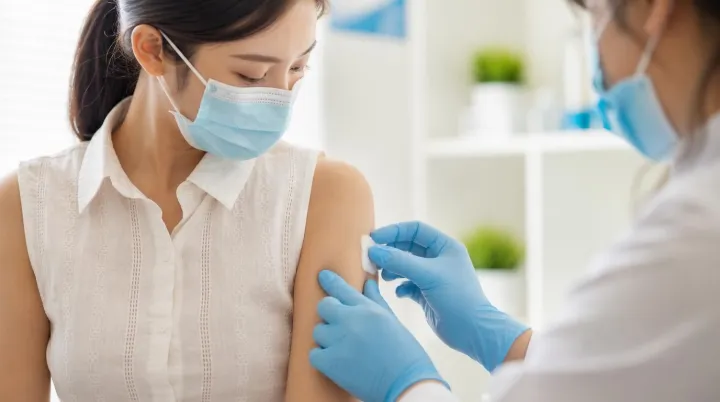
Low coverage is failure. Rarely does a prevention story expose its weak point so plainly: protection depends on vaccination during pregnancy, not on treatment after an infant is already struggling to breathe. The review does not turn low uptake into a minor footnote. It makes it the central problem. A vaccine cannot reduce hospital admissions or severe lower respiratory tract infection for families who never receive it.
The biology is clear. Vaccination elicits maternal antibodies, while transplacental transfer of immunoglobulin G can provide passive immunity during the early months of life, when RSV can hit hardest. Protection starts before birth. The unanswered question is not whether this approach can work, but whether health systems will make its promise routine rather than leave it as a statistic suspended above an empty clinic chair.
Loading...

