Brain Health Grants Back Prevention
2026-10-10
Prevention deserves patient capital. Friends of BrainHealth grants support dementia prevention and brain health research, extending a donor circle's sustained effort to turn promising ideas into scientific investigations that can withstand scrutiny. Discovery needs that runway. Before an idea can inform care, researchers must establish whether its apparent promise survives measurement, comparison and replication.
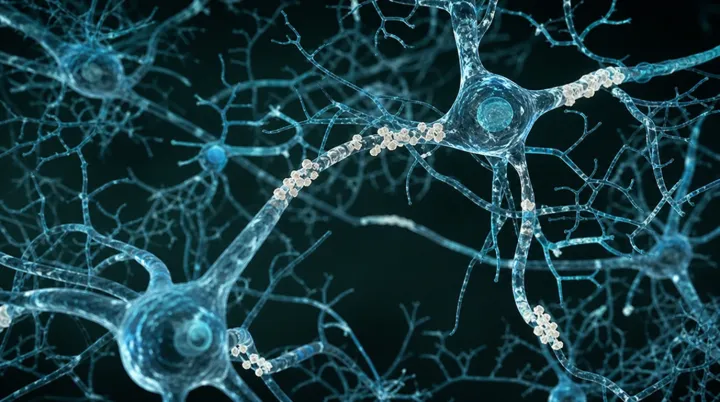
Funding is not proof. The distinction matters in brain health, where neuroplasticity, the nervous system's capacity to change through experience, helps explain why researchers investigate interventions rather than regard cognitive decline as an entirely fixed trajectory. Biology offers no guarantees. Cognitive reserve, which describes differences in the ability to cope with brain changes, provides another reason to study why similar disease burdens can produce different cognitive outcomes. These concepts guide questions. They do not establish that any particular grant, training program or behavioral intervention prevents dementia, and they should not be sold as if they did.
Philanthropy earns its value. By backing research rather than merely celebrating its possibilities, the Friends of BrainHealth donor circle helps move ideas toward the testing that separates an attractive hypothesis from a finding worth building upon. The distinction protects trust. Evaluating that contribution requires attention to study design, participant selection and outcomes, not simply the appeal of a project's stated ambition or the confidence of its presentation. Prevention remains unfinished work. The donor circle's contribution is support for the search, while the larger question hangs quietly over it: how much suffering might be avoided before anyone notices its absence?
Loading...

