Foldable Appeal Meets Sticker Shock
2026-10-11
The price steals the show. A weekly poll about a folding flagship points to an awkward split: the device attracts interest, but its cost makes that enthusiasm harder to convert into a purchase. Admiration comes fairly cheaply. When you are paying for a phone that promises few compromises, the compromises can move straight into your budget.
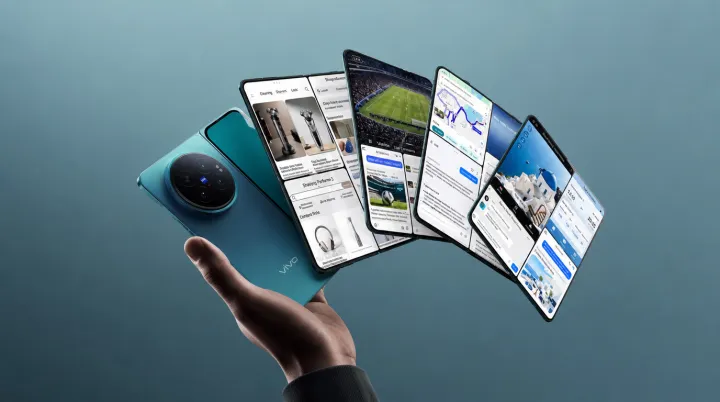
Desire is not demand. You can appreciate the ambition behind a premium foldable while questioning whether its larger screen earns the additional expense, especially when a conventional phone already handles your daily tasks. The engineering isn't free. Flexible displays and precision hinges add manufacturing requirements, while component costs feed into the bill of materials before retail pricing enters the discussion. Those mechanisms explain some expense. They do not establish that any particular asking price is justified, and the supplied poll description offers neither vote percentages nor enough cost detail to settle that argument. Keep those questions separate.
Your wallet deserves better evidence. A no-compromises pitch sounds attractive, but you still need to identify what the folding design changes for you: reading documents, comparing information, or working across applications on a larger display. Start with actual use. If those benefits save you meaningful effort, the premium may make sense; if they mostly deliver novelty, admiration need not become an order. The poll's tension is revealing. A product can win attention without winning the purchase, particularly when its strongest selling point arrives attached to its biggest objection. So here's your test. Would you pay the premium for the fold, or applaud the engineering and keep your current phone?
Loading...

