TomTom Takes AI Driving to the Show Floor
2026-10-12
TomTom's automated driving agreement puts integration ahead of spectacle. The mapping and location technology company has signed a memorandum of understanding with a technology partner covering joint technical work on AI-based automated driving, while an integrated demonstration vehicle is planned for the Paris Motor Show. The distinction matters here. An agreement establishes cooperation, not road readiness.
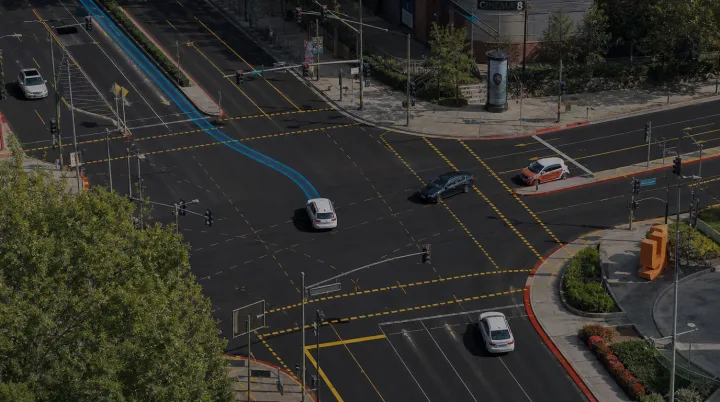
Maps alone cannot drive. Their value lies in the context they can supply to systems that must interpret their surroundings and decide how to move through them. Sensor fusion combines inputs from different sensors; motion planning determines a vehicle's intended movement under operating constraints. These are engineering functions, not features confirmed by the announcement. The disclosed agreement does not specify how the partners will connect mapping information with those functions, which performance measures they will use, or what conditions the demonstration vehicle will handle. The technical scope remains open.
A demonstration is evidence, not a verdict. By putting an integrated vehicle on the show floor, the companies can make their joint work more tangible than a memorandum, although the announcement supplies no test results, production commitments, or deployment timetable. Commercial ambition needs measurement. For automakers assessing such cooperation, the unanswered questions concern repeatable performance, the limits of operation, and the effort required to integrate the system into a production vehicle. Those questions do not diminish the agreement; they separate its stated purpose from outcomes that have yet to be established. On the show floor, a vehicle can stand perfectly still while carrying the burden of proving how it moves.
Loading...

