AI's Test in Youth Psychosis
2026-10-13
Earlier detection deserves careful scrutiny. A novel artificial intelligence tool developed by Nanyang Technological University, Singapore, and the Institute of Mental Health aims to spot early psychosis in youths, placing a difficult clinical question before a computational system. Detection is not diagnosis. The distinction matters when a warning could influence how a young person receives care.
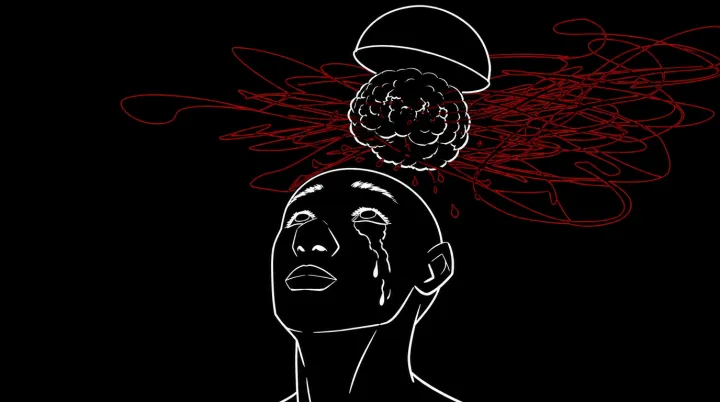
Accuracy needs more than applause. Although the development establishes a research direction, the supplied announcement does not specify the model's inputs, study population, performance figures or readiness for clinical use, leaving its practical reliability open to examination. Two measures deserve attention. Sensitivity describes how often a test identifies people with the condition, while specificity describes how often it correctly excludes those without it. Neither settles every question. Even a system that performs well in a study requires assessment in the population where clinicians intend to use it, because false positives and false negatives carry different consequences.
Restraint can serve young patients. Psychosis can involve hallucinations or delusions, but an algorithmic flag should prompt professional assessment rather than become a label that follows someone beyond the consultation. Context still belongs to clinicians. Before such a tool informs routine care, evidence should show whether it supports sound referral decisions, protects sensitive information and avoids unnecessary alarm among youths and their families. The promise remains worth testing. For NTU Singapore and IMH, the harder question is not whether a machine can raise a warning, but whether that warning opens the right door without casting an unwarranted shadow.
Loading...

