Ronnie's Second Chance After Transplant
2026-10-16
A reprieve, not merely treatment. Ronnie, a toddler from Wirral who was diagnosed with aplastic anaemia just before his first birthday, has been given what is described as a 'second chance at life' after a stem cell transplant. Behind that phrase lies a medical distinction: treatment can replace the blood-forming system that the illness has left unable to meet the body's needs.
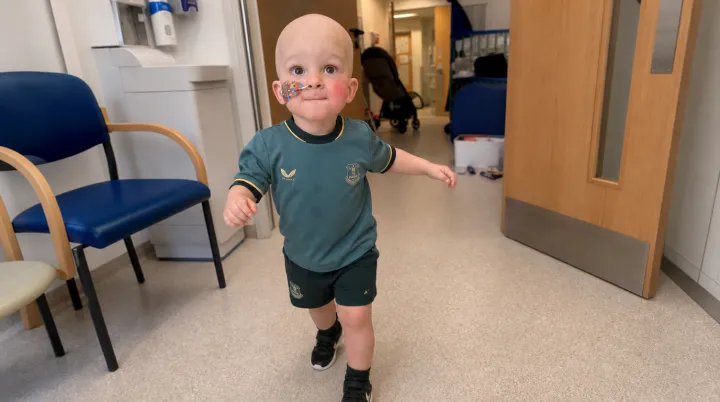
The danger begins quietly. In aplastic anaemia, bone marrow fails to produce enough blood cells, leaving patients vulnerable to infections, bleeding and the exhaustion associated with too few oxygen-carrying red blood cells. This is marrow failure. The shortage can affect white blood cells and platelets as well, which explains why the condition reaches beyond the tiredness commonly associated with the word anaemia. Transplantation addresses the source. By supplying blood-forming stem cells that can establish themselves in the marrow, the procedure offers a route towards restoring blood production rather than simply replacing missing cells through transfusions.
Hope still requires caution. Although a stem cell transplant can offer lasting recovery, its success depends on donor cells establishing blood production, a process called engraftment, while clinicians watch for infection and other complications. Recovery is not automatic. The information supplied about Ronnie does not establish his donor's identity, his treatment centre or the details of his follow-up care, so none should be assumed from the encouraging description of his outcome. His story turns on a distinction medicine cannot erase: a second chance is an opening, not a promise.
Loading...

