Bobby's Life Beyond His Diagnosis
2026-10-16
Bobby deserves more than prognosis. His mother, Sophie, wants the five-year-old to experience life after his childhood dementia diagnosis, saying she wants him to "get the most out of his short life". The distinction matters here. Her stated ambition concerns how her son lives, rather than allowing the prospect of loss to become the only account of his childhood.
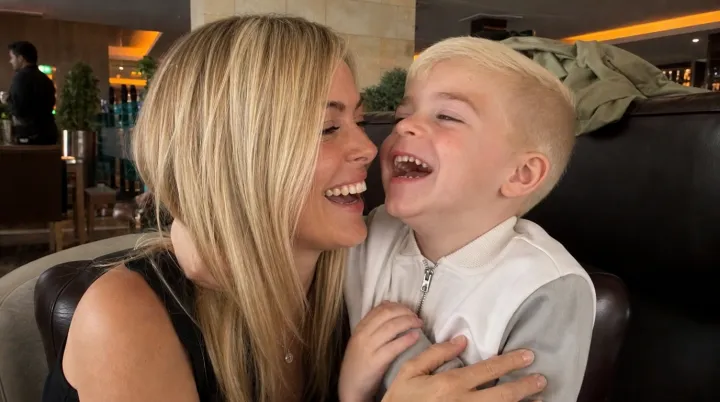
The label needs careful handling. Childhood dementia describes a group of conditions involving progressive loss of abilities, rather than a single disease with one predictable course. Biology does not dictate uniformity. Neurodegeneration and neuronal dysfunction are medical terms relevant to these disorders, which can affect memory, learning, movement and communication as nerve cells become damaged or stop working properly. Specific diagnoses still matter. The information provided does not identify Bobby's underlying condition, treatment options or clinical prognosis, so neither a precise life expectancy nor a particular pattern of decline can responsibly be assigned to him.
Enjoyment is no minor concern. Sophie's words place the value of Bobby's experiences beside the medical facts, refusing to let the diagnosis alone determine what deserves attention. That is not denial. Wanting a child to experience life does not erase illness; it asserts that pleasure, relationships and participation remain worth protecting when the future is uncertain. The distinction resists easy sentiment. There is no need to invent a wish list or a promised adventure to understand her request: a childhood can be shortened without becoming merely a countdown.
Loading...

