Margaret Hamilton's Durable Code
2026-10-17
Failure deserved a design. During Apollo 11's descent toward the Moon, computer alarms exposed an overload that could have forced an abort, but flight software developed under Margaret Hamilton's leadership at the MIT Instrumentation Laboratory preserved the work needed for landing. The distinction mattered enormously. A computer under pressure did not become a computer without judgment.
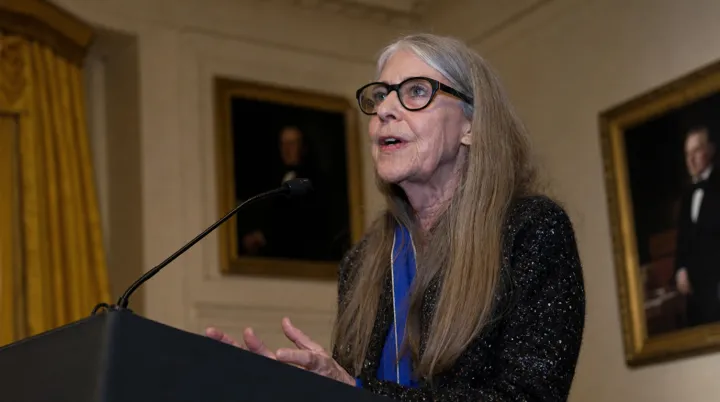
Reliability was an intellectual rebellion. At a time when software often received less standing than hardware, Hamilton treated programming as engineering, insisting that human mistakes and machine interruptions belonged inside the design problem rather than outside it. Her team planned accordingly. Priority scheduling allowed essential guidance tasks to take precedence, while restart protection let the computer recover without abandoning the information those tasks required. Credit demands some precision. Hamilton led the software effort; colleagues built its components, and mission controllers assessed the alarms before authorizing the astronauts to continue their descent.
Her achievement resists solitary mythology. The familiar photograph of Hamilton beside a towering stack of program listings captures the scale of the undertaking, but paper alone cannot show the testing, coordination and anticipation embedded in flight software. The lesson remains uncomfortable. Fault tolerance requires engineers to spend effort on events that managers may prefer to dismiss, even when the consequences of ignoring them would dwarf the cost of preparation. Hamilton made that work visible. On the Moon, beneath the spectacle of footprints and flags, lay a less photogenic accomplishment: instructions that had already made room for something to go wrong.
Loading...

