Small Pacemaker, Serious Medicine
2026-10-18
A tiny pacemaker commands attention. A hospital has been recognised for its work with a device described as 93% smaller than traditional pacemakers, weighing about two grams, although the information supplied does not identify the hospital or the recognising organisation. The distinction invites closer scrutiny. Smallness matters most when it serves the patient.
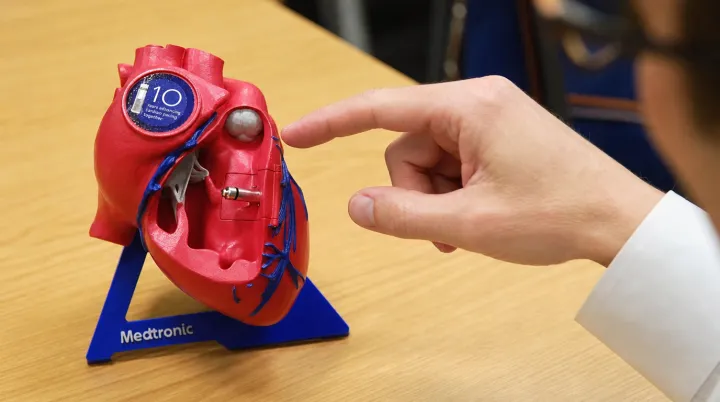
Size is not the treatment. Pacemakers deliver electrical impulses to stimulate myocardial depolarisation, helping maintain an adequate heart rate when the heart's own electrical signalling is too slow or unreliable. That distinction deserves some care. A smaller casing does not, by itself, establish which rhythm disorders a device can treat, how long its battery will last, or whether it suits a particular patient's anatomy and clinical needs. Precision must outlast the headline. The reported reduction describes a comparison with traditional pacemakers, but its measurement basis and comparator model remain unspecified, limiting what readers can infer.
Recognition should invite harder questions. In cardiac electrophysiology, assessment of any pacing system extends beyond dimensions to implantation risks, pacing performance, follow-up requirements and the practical consequences of battery depletion or device replacement. Two grams cannot answer those. Nor does an award establish comparative safety or effectiveness, which require clinical evidence rather than an arresting specification, however appealing that specification may be to patients facing an implant. The achievement still merits attention. On the scale sits almost nothing; inside the clinical decision sits the weight of a lifetime.
Loading...

