America's Unpredictable Drug Supply
2026-10-18
The danger is uncertainty. A wave of homemade synthetic drugs is deepening America's drug crisis, with BBC News hearing from users, dealers, prison workers and recovery staff about an illicit supply whose contents can be difficult to establish. Chemistry outpaces consumer knowledge. Unlike a medicine with a verified formulation, an unregulated mixture offers no dependable assurance of identity or strength.
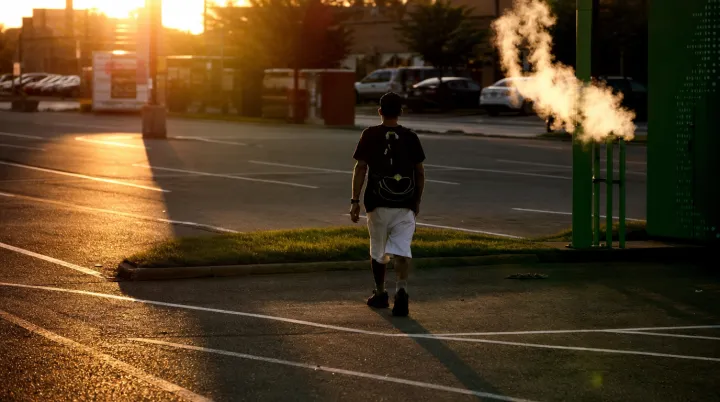
Cheapness conceals the cost. The broader synthetic drug market includes substances with different mechanisms: fentanyl acts at opioid receptors and can cause respiratory depression, while synthetic cannabinoids act at cannabinoid receptors and can produce severe, unpredictable toxicity. Categories still matter enormously. Calling everything a new drug epidemic can obscure those differences, which affect emergency treatment and make assumptions about an unfamiliar substance especially dangerous. Appearance offers little reassurance. Neither a familiar package nor a seller's description establishes what a substance contains, and combining drugs can further complicate the response to poisoning.
Punishment cannot substitute for care. By including prisons and recovery services alongside users and dealers, the BBC's reporting frames the crisis as more than a transaction between a seller and a buyer. Survival requires sustained support. Naloxone can reverse opioid overdose, but it does not treat every form of drug poisoning, and surviving an emergency does not itself resolve dependence or secure access to treatment. Recovery needs more time. The bitter imbalance is that a substance can change hands in seconds, while rebuilding the life around it may take years.
Loading...

