Dorset Parents Welcome Cancer Pledge
2026-10-19
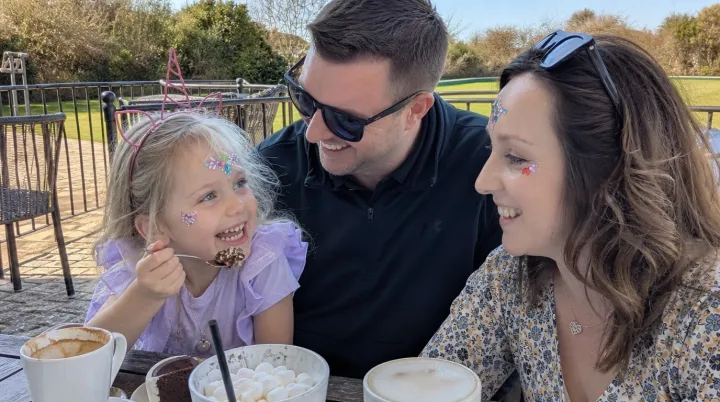
Promises deserve a welcome. The prime minister's commitment to more investment in brain cancer has been welcomed by the parents of a Dorset girl who died from a brain tumour, placing a family's loss beside a question that public spending alone cannot answer: how does a promise become a treatment?
Money needs scientific direction. Brain tumours present difficulties that extend beyond finding drugs capable of killing cancer cells, because treatments must also reach their targets without causing unacceptable damage to surrounding brain tissue. Biology sets the terms. The blood-brain barrier, a selective interface between the bloodstream and the brain, can restrict drug delivery, while molecular profiling helps researchers identify differences between tumours that may affect treatment choices. Neither guarantees a cure. These are reasons to support research that tests specific hypotheses, rather than assume that every increase in spending will translate directly into longer survival.
Welcome is not delivery. The family's response gives the pledge a human context, but assessing its substance requires details about how much investment is promised, how it will be allocated and how progress will be reported. Those distinctions deserve attention. Research grants, laboratory findings and clinical trials represent different stages of work, and movement between them can fail even when the underlying science offers reason for hope. Accountability belongs alongside ambition. For families facing brain cancer, the measure of investment must eventually reach beyond announcements to evidence of safer, more effective care: the distance between a government promise and a child's empty place.
Loading...

