London's Factory Question
2026-10-19
Revolution is too generous. Two large new factories in Southwark are stirring talk of industry's return to London, but their arrival establishes something narrower: production can still find a foothold in a capital associated with services and expensive property. That distinction matters greatly. Not every factory opening signals a reversal of the forces that pushed manufacturing out of urban centres.
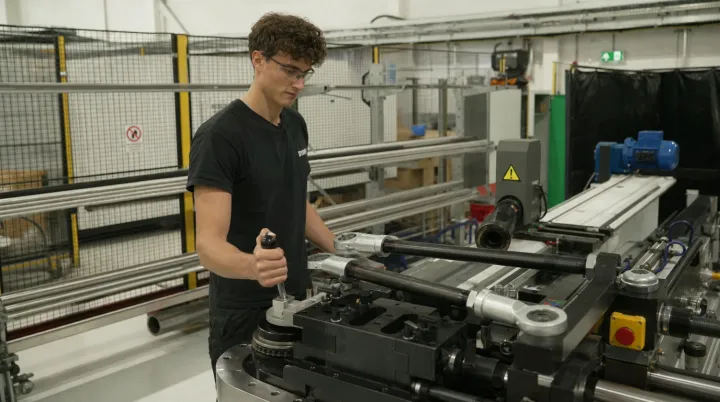
Proximity has its price. Manufacturing in London can benefit from agglomeration economies, the advantages businesses gain when workers, suppliers and customers cluster together, yet those benefits must outweigh the expense of occupying scarce urban land. The arithmetic is unforgiving. A factory competes for space with uses that may generate higher property returns, making the opportunity cost of keeping land industrial part of its commercial calculation. Scale alone proves little. Without figures for employment, output, investment and operating costs at the Southwark sites, their size cannot establish whether a wider manufacturing recovery is under way.
The stronger test is repetition. If other producers can secure suitable premises and sustain production without being priced out, Southwark's openings would look less like exceptions and more like evidence of an economic shift. Jobs deserve equal scrutiny. Headcounts, wages, training opportunities and local purchasing would reveal more about the factories' contribution than the excitement surrounding their arrival, especially if the question is whether nearby residents share the gains. London needs that distinction. A city can admire the factory gate while leaving the ground beneath it worth more to someone else.
Loading...

