Oxygen Therapy Needs More Than Equipment
2026-10-20
Oxygen deserves closer scrutiny. A real-world observational study assessed 218 consecutive patients referred to a dedicated nurse-led ambulatory oxygen therapy clinic, placing the assessment of treatment needs under examination rather than taking prescriptions for granted. Equipment is not enough. The study's stated purpose was to optimise therapy, although the supplied excerpt does not disclose whether that ambition translated into measurable improvements.
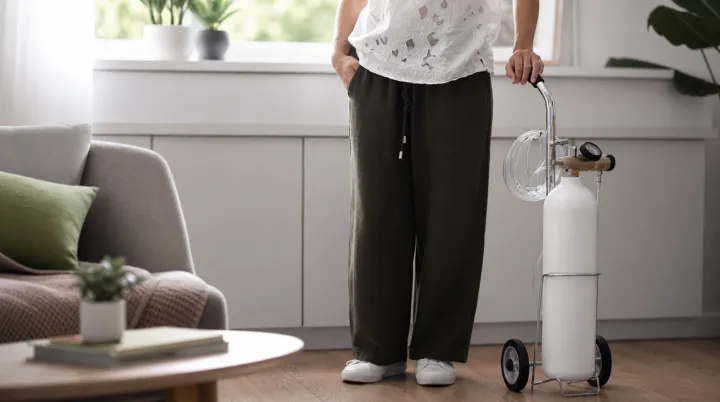
Precision should precede prescription. Ambulatory oxygen therapy supplies supplemental oxygen during activity, when exertional hypoxaemia can leave some patients with oxygen levels below their clinical targets despite less apparent difficulty at rest. Physiology sets the terms. Oxygen saturation describes the proportion of haemoglobin carrying oxygen; it is not interchangeable with breathlessness, which can arise through several mechanisms and may persist despite oxygen administration. Assessment needs that distinction. A clinic evaluating treatment would therefore need to consider physiological response alongside practical use, although the excerpt does not specify this clinic's testing protocol, equipment choices or follow-up arrangements.
Restraint strengthens this story. Consecutive referrals offer a view of routine clinical demand, but an observational design alone cannot show that nurse-led care caused better outcomes than another service model. Referral patterns still matter. Without the reported results, comparison groups or patient characteristics, claims about fewer prescriptions, lower costs, improved exercise capacity or greater quality of life would outrun the available evidence. Optimisation remains a question. Between the oxygen cylinder and the patient lies a quieter test: whether treatment earns its place in everyday movement.
Loading...

