Cystic Fibrosis: Treat Before Damage
2026-10-20
Waiting carries a cost. Cystic fibrosis can injure organs before symptoms announce themselves, making early treatment a better bargain than repairing damage that medicine cannot reliably reverse. Biology starts without permission. Defects in the cystic fibrosis transmembrane conductance regulator, or CFTR, disrupt chloride and bicarbonate transport, thickening secretions in the lungs and digestive system.
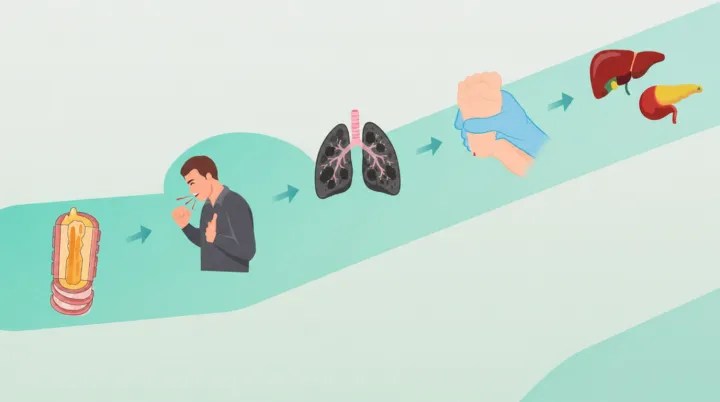
Better breathing is insufficient. Although CFTR modulators can improve lung function and reduce pulmonary exacerbations in eligible patients, cystic fibrosis also demands attention to pancreatic insufficiency, nutrition, liver disease and glucose regulation. Treatment cannot erase everything. Established bronchiectasis and pancreatic damage may persist despite improved CFTR function, which helps explain why diagnosis through newborn screening should lead promptly to specialist assessment rather than reassurance alone. Prevention needs daily work. Pancreatic enzyme replacement when indicated, nutritional support, airway clearance and infection management remain part of individualized care, even when targeted medicines make symptoms less intrusive.
Earlier is not universal. Access to modulators depends on mutation eligibility, approved ages and local availability, while evidence that treatment prevents every extrapulmonary complication remains incomplete. Surveillance still earns its place. Monitoring growth, respiratory cultures, liver health and glucose metabolism allows care teams to detect complications that better lung measurements might otherwise conceal. Hope needs disciplined measurement. Studies of treatment begun in infancy must establish how much organ function can be preserved, while families need support with treatment burdens and medicines that require safety monitoring. The best result may be quiet: an organ that never has to announce its injury.
Loading...

