Eight Disorders, One Brain Map
2026-10-23
Psychiatry needs better maps. A $3.2 million grant from the National Institutes of Health will support a worldwide effort to examine how eight common psychiatric disorders affect brain function, with researchers at the Mark and Mary Stevens Neuroimaging and Informatics Institute at USC's Keck School of Medicine leading the work.
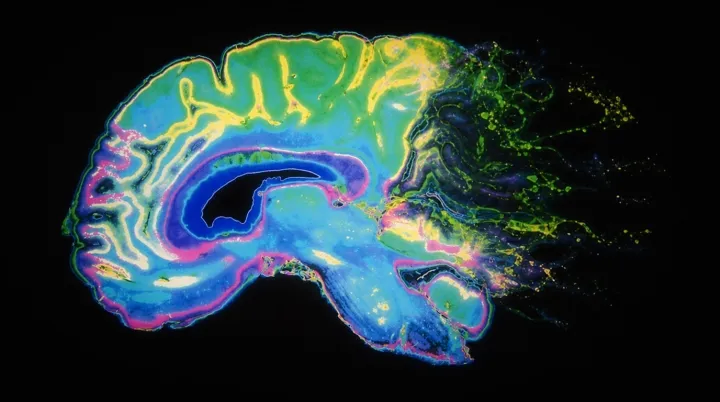
Comparison offers the promise. By placing eight disorders within one research effort, the project creates an opportunity to examine where their effects on brain function differ and where they might overlap, without assuming that diagnostic categories correspond neatly to separate biological processes. The distinction matters clinically. Neural circuits, the interconnected systems through which brain cells communicate, and functional connectivity, the statistical relationship between activity in different brain regions, provide scientific language for examining such questions. Neither term, however, turns a brain measurement into a diagnosis; identifying an association is different from establishing what causes an illness.
Scale alone proves little. The value of a worldwide study depends on whether findings remain credible across the people and settings represented, rather than merely producing a larger collection of observations that appear persuasive when pooled together. Expectations should stay measured. The announced funding supports research into brain function, not evidence that a diagnostic test or treatment has already been developed, and the supplied announcement does not identify the eight disorders or specify the study's methods. That leaves an important boundary. A map can sharpen the questions medicine asks, even while the distance between a measurable brain difference and an individual patient's experience remains stubbornly difficult to cross.
Loading...

