Iron Shortfalls, Lasting Brain Effects
2026-10-23
Prenatal iron deficiency may leave lasting changes in the offspring brain, making a nutritional shortage something more than a temporary imbalance. Timing carries unusual weight. During the first weeks of pregnancy, developing cells begin establishing the brain's organization, and iron supports the biological processes through which those cells grow, specialize, and take their places. The consequences may outlast scarcity.
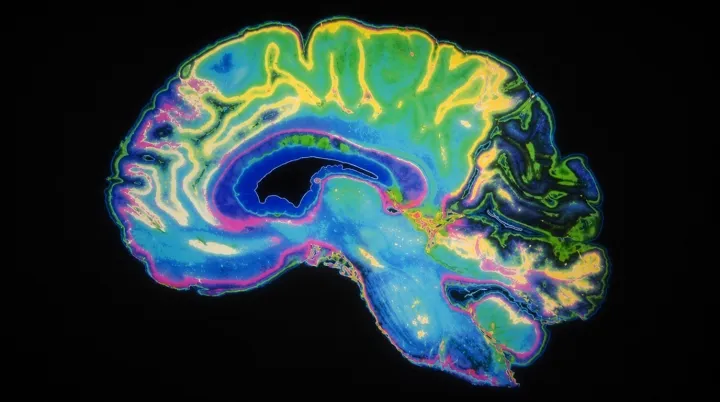
Iron deserves more attention than its familiar association with blood suggests, because its work extends into the machinery of brain development. Oxygen delivery is insufficient. Beyond helping hemoglobin transport oxygen, iron supports mitochondrial energy metabolism, while neurogenesis produces neurons and myelination builds the insulating covering around nerve fibers. These processes require coordination. A shortage during development can disturb that coordination, although the effects depend on when deficiency occurs, how severe it becomes, and which outcomes researchers measure. Correcting iron levels does not necessarily establish that every earlier developmental change has disappeared.
Caution strengthens this story. Evidence linking prenatal deficiency to persistent brain changes should not be read as a prediction that every affected pregnancy will produce the same outcome, particularly when findings come from animal experiments rather than human follow-up. Association is not destiny. Without details of the underlying study, claims about specific brain regions, behavioral effects, or reversibility remain unverified; prenatal care can assess iron status and guide treatment without treating supplements as a universal remedy. Prevention deserves clinical attention. The deeper question is how long a brief shortage can remain written into developing tissue.
Loading...

