Why Aging Prostates Keep Growing
2026-10-25
Prostate enlargement may have more than one culprit. Hormones remain part of the explanation, but research into inflammation and cellular aging suggests that the surrounding tissue also deserves attention, especially when growth continues despite declining testosterone levels. That challenges an easy assumption. Getting older does not simply mean producing more growth-driving hormone.
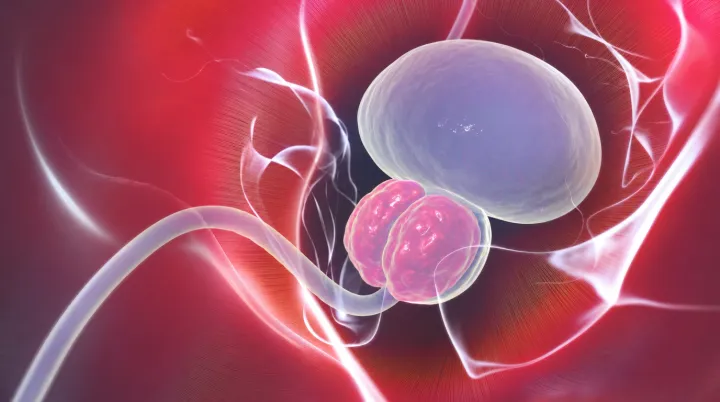
The hormone story still matters. If you have heard of benign prostatic hyperplasia, or BPH, you have encountered the noncancerous multiplication of cells that can squeeze the urethra and disrupt urination. Inside prostate tissue, the enzyme 5-alpha reductase converts testosterone into dihydrotestosterone, which activates androgen receptors and supports growth. Blood levels are not everything. Local hormone activity, interactions between glandular cells and supporting stromal cells, and inflammatory signals can all affect how the organ behaves. Cellular senescence offers another possible connection: cells that stop dividing can still release substances that influence inflammation and neighboring tissue.
A promising mechanism is not a finished explanation. Finding inflammatory or senescent cells in enlarged tissue does not establish that those cells started the growth, and results from laboratory models cannot automatically explain symptoms in people. The distinction affects treatment. Existing medicines can relax prostate muscle or reduce dihydrotestosterone production, whereas therapies aimed specifically at senescence or inflammatory signaling require evidence of benefit and safety. Enlargement is not cancer. Still, urinary symptoms deserve medical assessment because several conditions can produce similar complaints, and prostate size alone does not determine symptom severity. If a headline promises the answer, shouldn't you ask whether it has identified a cause or merely another suspect?
Loading...

