The Mushroom That Makes People Tiny
2026-10-25
The mystery comes miniature. Poisoning associated with Lanmaoa asiatica, a mushroom relatively new to scientific study, has been linked to hallucinations of tiny people, an oddly specific spectacle for which researchers lack an established chemical explanation. Stranger than the visions themselves is the gap between what patients describe and what science can confidently explain.
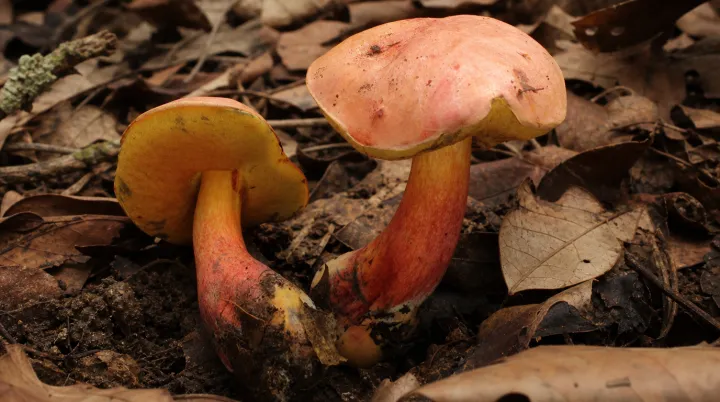
Specificity is not explanation. These experiences fit a recognized clinical description, Lilliputian hallucinations, in which human figures, animals or other apparitions appear unusually small; the term describes their appearance, not their biological cause. The distinction matters here. A shared description does not establish that every patient encounters the same figures, or that one substance produces every reported symptom after mushroom poisoning. Nor does resemblance establish chemistry. Although familiar hallucinogens can alter perception through serotonin receptors, that knowledge does not demonstrate that this mushroom acts through the same receptor system; assigning it that mechanism would replace an unanswered question with an unsupported answer.
Wonder needs some restraint. Identifying the responsible compound would be only part of the task, because explaining these visions also requires evidence connecting exposure, neurotoxicity and changes in visual processing, rather than merely collecting memorable accounts. This is no invitation. Mushroom poisoning is a medical concern, not a reliable route to a curious experience, and suspected poisoning warrants prompt professional help rather than experiments with preparation or dose. The uncertainty cuts deeper. Before science can explain why the figures seem so small, it must establish what makes them appear at all.
Loading...

